Fitness After 50: Essential Strategies for Maintaining Strength and Vitality
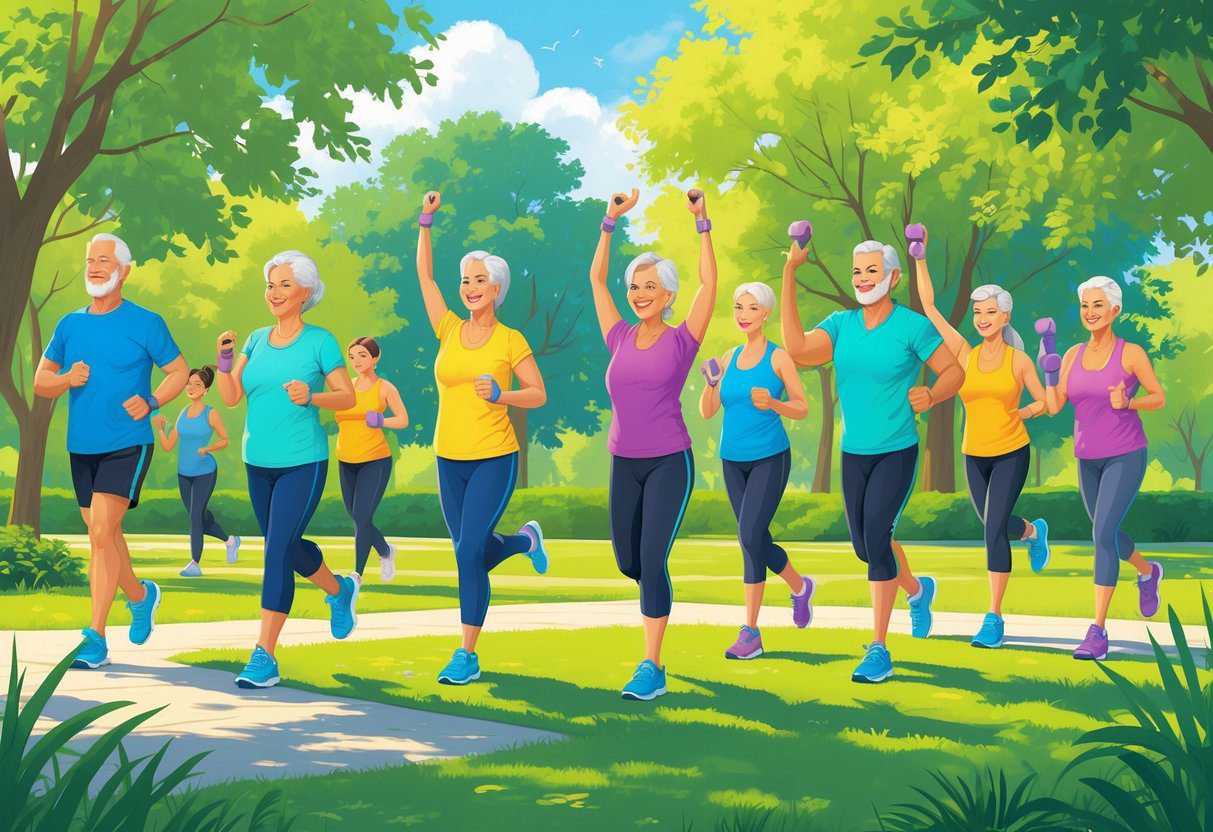
Reaching your 50s isn’t a signal to slow down – it’s a wake-up call. A 2023 meta-analysis published in the Canadian Medical Association Journal found that engaging in 150 minutes of moderate physical activity each week can reduce the risk of death from all causes by 31%.
Yet, many adults over 50 fall short of this benchmark, missing out on the protective benefits against chronic diseases like heart disease, type 2 diabetes, and certain cancers.
Consequences? Rising rates of preventable illnesses, diminished quality of life, and increased healthcare costs.
But there’s good news: it’s not too late to make a change. In this article, we’ll explore practical, science-backed strategies to help you incorporate effective fitness routines into your life, enhancing strength, boosting energy, and reclaiming vitality—starting today.
With proper exercise selection, nutrition, and recovery, adults over 50 can build muscle, improve cardiovascular health, and enhance mobility more effectively than they might imagine.
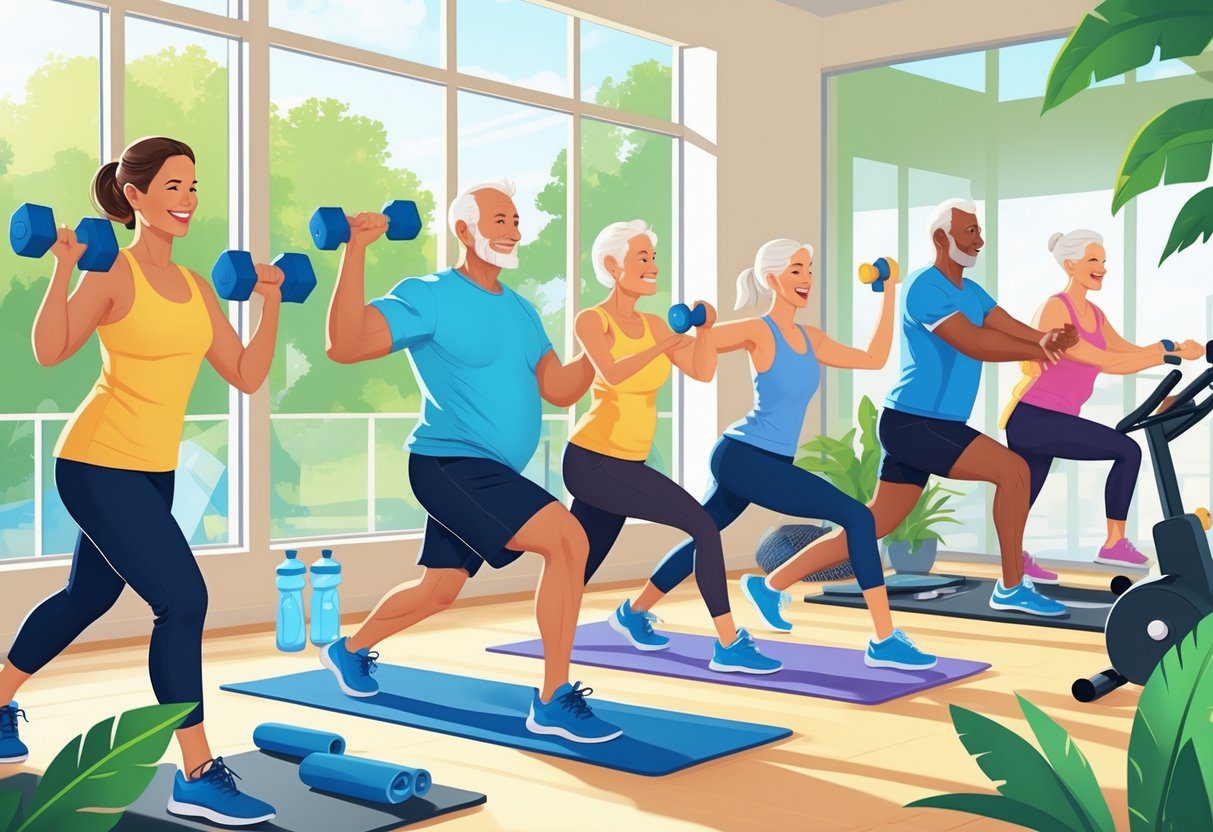
Why Fitness After 50 Is Different (And Why That’s Actually Good News)
The aging process brings natural physiological changes that alter how we approach fitness, but these differences create unique opportunities for health improvements and quality of life enhancements. Many adults discover that their most rewarding fitness journeys often begin after the age of 50.
How Your Body Changes In Midlife
Muscle mass naturally decreases by approximately 3-8% per decade after the age of 30, accelerating after 50 in a process known as sarcopenia. More on this in a bit.
Metabolism peaks earlier than you might think, although new research suggests that it also decreases later. Recent research from Duke University (2021) published in Science suggests that “our metabolisms don’t start to decline again until after age 60”. Nevertheless, there is a slowdown of 0.7% a year.
According to studies by the prestigious New England Journal of Medicine, on average, women lose 1.9% of their bone density each year during menopause. That’s around 10% in the first 5 years. Weight-bearing exercise becomes a powerful preventative tool against osteoporosis.
Joint flexibility and recovery capacity change, too. Most adults over 50 need longer recovery periods between intense workouts, but working out consistently becomes more beneficial than occasional intense efforts.
The Science-Backed Benefits Of Exercise After 50
Research published in the British Journal of Sports Medicine found that beginning exercise at age 50 can add years to one’s life expectancy—approximately 2-4 additional healthy years. This “longevity bonus” applies even to previously inactive people.
Regular exercise significantly reduces age-related cognitive decline. A 2022 study reports that “acute moderate-intensity exercise prior to memory encoding is capable to enhance short and long-term memories in healthy individuals”.
Key cardiovascular benefits include:
-
25-30% reduced risk of heart disease
-
Average 5-10 point reduction in blood pressure
-
Improved cholesterol profiles within 12 weeks of starting a program
Exercise also improves insulin sensitivity, reducing type 2 diabetes risk by up to 58% according to the Diabetes Prevention Program Research Group – more effective than many medications.
Debunking Common Myths About Aging And Fitness
Myth: “It’s too late to start exercising after 50.” Reality: Research shows remarkable adaptations occur regardless of when you begin. A study of 70-year-old weightlifters showed 100% strength increases within one year of starting.
Myth: “Exercise increases injury risk in older adults.” Reality: Properly designed programs actually reduce fall risk by 23-40% by improving balance, coordination, and strength. The greatest injury risk comes from inactivity, not inappropriate exercise.
Myth: “High-intensity exercise is dangerous after 50.” Reality: When appropriately scaled, interval training and moderate intensity strength work provide superior results for many adults in midlife, with studies showing excellent safety profiles.
We now understand that aging doesn’t require scaling back fitness goals. Rather, it invites a more intelligent approach to movement that can yield exceptional results over time.
The Four Pillars Of Complete Fitness For Midlife And Beyond
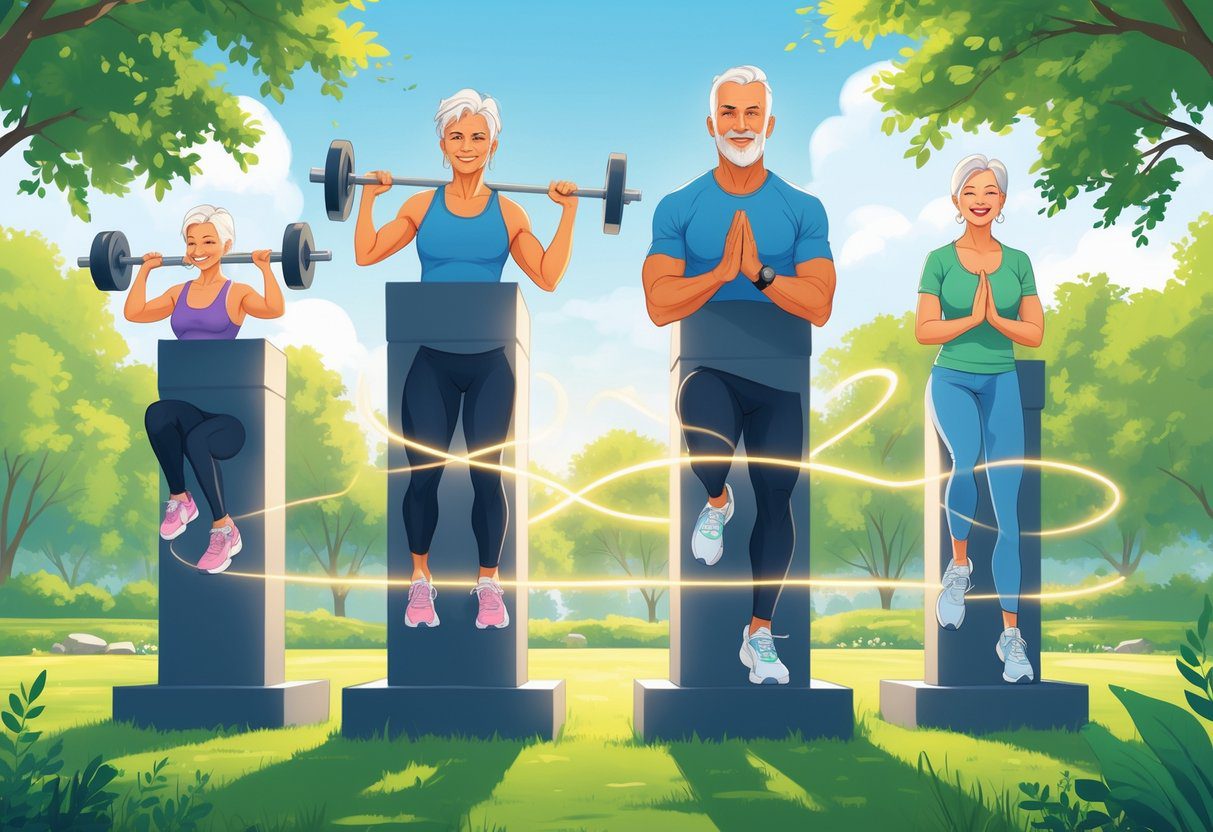
Maintaining fitness after 50 requires a comprehensive approach that addresses multiple aspects of physical health. A complete fitness program incorporates strength work, mobility training, cardiovascular exercise, and proper recovery protocols to support the changing needs of the aging body.
Strength Training: The Foundation Of Aging Well
Strength training becomes increasingly vital as we age, directly combating the natural muscle loss that typically begins in our 30s. Research shows “muscle mass decreases approximately 3–8% per decade after the age of 30, and this rate of decline is even higher after the age of 60”.
We recommend starting with 2-3 strength training sessions weekly, focusing on compound movements that work multiple muscle groups simultaneously. Exercises like squats, deadlifts, and chest presses provide the most efficient results.
Progressive overload remains essential regardless of age. This means gradually increasing weight, repetitions, or difficulty to continue challenging your muscles.
Key strength benefits after 50:
-
Maintains metabolic rate and body composition [1]
-
Preserves bone density, reducing fracture risk [2]
-
Improves balance and coordination, preventing falls [3]
-
Supports joint health and reduces arthritic symptoms [4]
For beginners, bodyweight exercises or resistance bands offer excellent starting points with lower injury risk.
Mobility: Moving Well To Live Well
Mobility—the ability to move freely through a full range of motion—often declines with age but responds remarkably well to consistent practice. Proper mobility training extends beyond basic stretching to include active movement patterns.
Daily mobility work, even just 10-15 minutes, yields significant improvements in how we feel and function. We recommend focusing on major joints that commonly become restricted: hips, shoulders, spine, and ankles.
Effective mobility practices include:
-
Dynamic movement preparations before exercise
-
Yoga or controlled stretching sequences
-
Foam rolling and self-myofascial release techniques
-
Joint circles and controlled articular rotations (CARs)
Mobility work serves as both injury prevention and performance enhancement. When joints move freely, everyday activities become easier and exercise becomes more effective.
Many mobility limitations stem from modern sedentary lifestyles rather than age itself. This means most restrictions can be improved regardless of your current age or fitness level.
Cardiovascular Health: Finding Your Optimal Approach
Cardiovascular exercise remains crucial for heart health, but how we approach it should evolve with age. We advocate for a balanced approach that includes both moderate-intensity steady-state training and carefully introduced higher-intensity intervals.
Walking remains the most accessible and sustainable cardio foundation. Aim for 30 minutes daily at a pace that allows conversation but still feels purposeful.
Effective cardio options after 50:
-
Swimming/water exercise (excellent for joint protection)
-
Cycling (indoor or outdoor)
-
Elliptical training
-
Rowing (full-body engagement)
-
Hiking (adds nature benefits)
For higher-intensity work, we recommend brief intervals (20-30 seconds) followed by adequate recovery periods (1-2 minutes). This approach maximizes cardiovascular benefits while minimizing excessive stress on joints and recovery systems.
Monitor your response to exercise intensity. Your heart rate recovery time provides valuable feedback about your cardiovascular health and appropriate training levels.
Recovery And Regeneration: The Secret Ingredient
Recovery becomes increasingly important after 50 as our bodies need more time to repair and regenerate. Many fitness enthusiasts focus exclusively on workouts while neglecting this critical component.
Sleep quality deserves top priority in any recovery protocol. During deep sleep stages, growth hormone release peaks, facilitating muscle repair and overall regeneration. Most adults over 50 need 7-8 hours of quality sleep.
Essential recovery elements include:
-
Proper nutrition (adequate protein and anti-inflammatory foods)
-
Hydration (often overlooked but crucial for tissue health)
-
Stress management (chronic stress impairs recovery)
-
Active recovery (light movement on rest days)
We recommend scheduling recovery days between challenging workouts. This doesn’t mean complete inactivity, but rather lighter movement that promotes blood flow without additional stress.
Tracking your resting heart rate can provide insights into your recovery status. An elevated morning heart rate often indicates incomplete recovery from previous training or lifestyle stress.
Assessing Your Current Fitness: Where Are You Now?
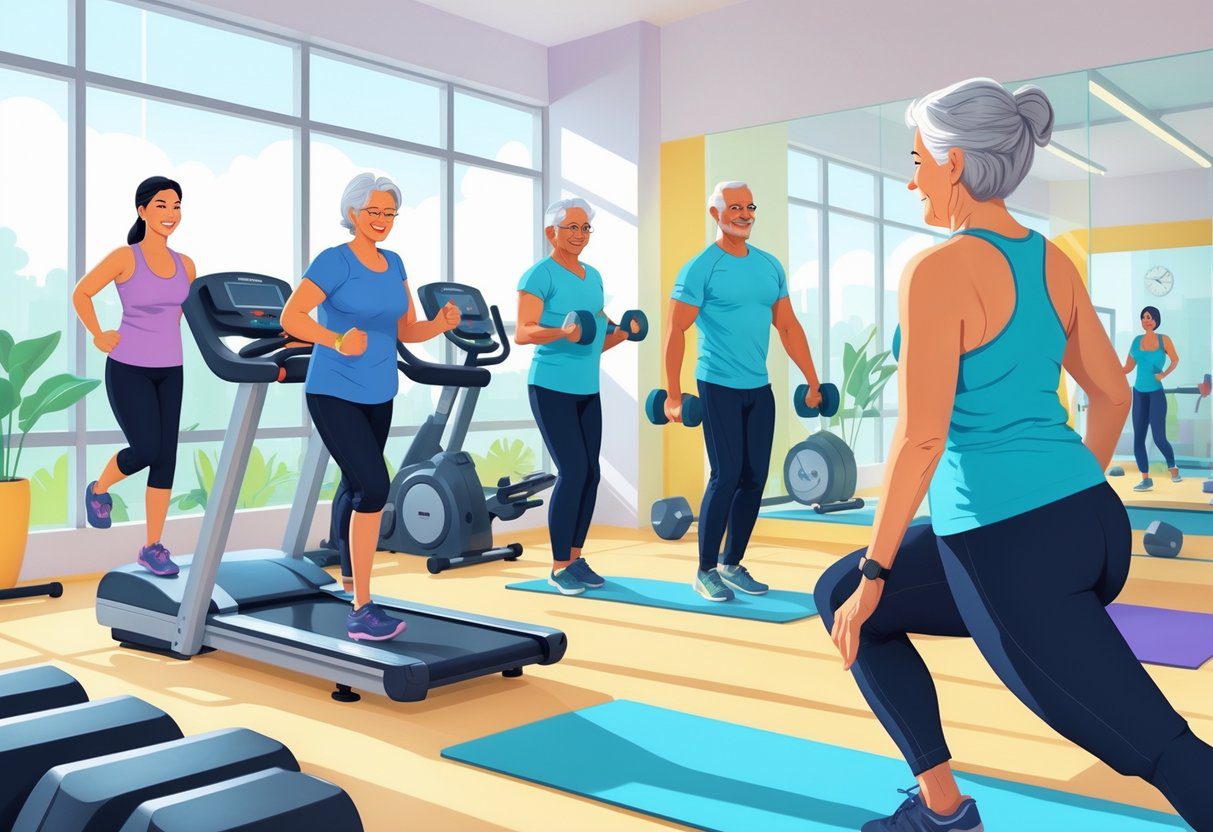
Before making changes to your fitness routine, it’s essential to understand where you currently stand. A proper assessment provides the foundation for creating an effective fitness plan tailored to your unique needs and abilities.
Understanding Your Starting Point
Taking an honest inventory of your current fitness level is crucial for anyone over 50. Start by reflecting on your recent physical activities and how your body responds to them. Do you feel winded climbing stairs? Can you easily perform daily tasks?
Consider your exercise history over the past year. Have you been consistently active, occasionally active, or mostly sedentary? This context helps frame realistic expectations for improvement.
Medical considerations also play a vital role in your assessment. We are not medically trained, but we do recommend consulting with your healthcare provider before beginning any new fitness program, especially if you have existing conditions like arthritis, heart issues, or diabetes.
Document your starting metrics like weight, resting heart rate, and basic strength capabilities. These numbers provide tangible markers to track your progress over time.
The MidlifeHacks Fitness Assessment
Our simple assessment helps gauge your current fitness level across four key dimensions:
Cardiovascular Endurance
-
Walk test: Time how long it takes to walk 1 mile at a brisk pace
-
Recovery test: Check how quickly your heart rate returns to normal after 3 minutes of stepping up and down on a stair
Strength
-
Upper body: Count how many modified push-ups you can do in 1 minute
-
Lower body: Time how long you can hold a wall sit position
Flexibility
-
Sit-and-reach test: Measure how far you can reach past your toes while seated
-
Shoulder flexibility: Note your ability to reach behind your back
Balance
- Single-leg stance: Time how long you can stand on one foot with eyes open
Document your results in a fitness journal or our downloadable tracker. These baseline measurements will become valuable reference points as you progress.
Identifying Your Strengths And Improvement Areas
After completing your assessment, you’ll likely notice areas where you excel and others that need attention. This pattern is completely normal, even for people who’ve been active throughout their lives.
Most adults over 50 discover they’ve maintained strength in areas related to their lifestyle. Office workers often retain upper body mobility, while those with active hobbies might have better cardiovascular health.
We recommend focusing first on improving your weakest areas while maintaining your strengths. This balanced approach helps prevent injuries and creates sustainable fitness improvements.
Consider what aspects of fitness matter most for your quality of life. Do you want to play with grandchildren without getting tired? Improve golf performance? Reduce joint pain? Aligning your fitness goals with personal priorities creates meaningful motivation.
Remember that fitness assessments aren’t about judgment but empowerment. Knowing your starting point helps us create realistic timelines and celebrate genuine progress.
Creating Your Personalized Fitness Approach
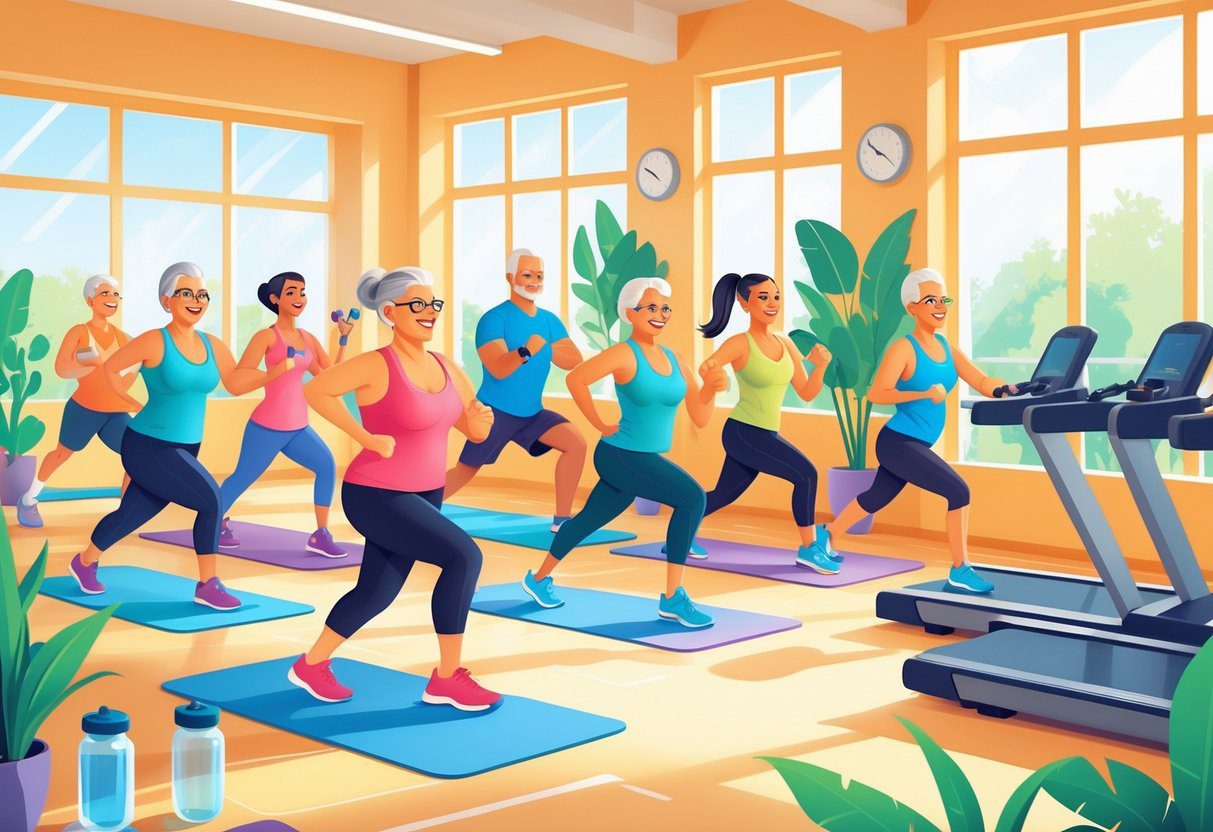
Designing a fitness routine that works for your unique needs after 50 is essential for long-term success. The most sustainable approach aligns with your preferences, goals, and physical considerations.
Finding Activities You’ll Actually Enjoy
The secret to fitness consistency is choosing activities you genuinely look forward to doing. Experiment with different exercise types until you discover what resonates with your personality and interests.
Walking, swimming, cycling, and dancing offer excellent low-impact options that many find enjoyable well into their later years. Consider activities from your youth that brought you joy—perhaps tennis, hiking, or recreational sports.
Group vs. Solo Activities: Be honest about your social preferences. Some thrive in group fitness classes or walking clubs, while others prefer the solitude of a solo morning swim.
Try scheduling “fitness exploration” sessions where you sample new activities without commitment. Many community centers and fitness facilities offer trial classes specifically for older adults.
Tailoring Exercise To Your Specific Goals
Your fitness approach should align with what you hope to achieve. Common goals after 50 include:
-
Maintaining independence – Focus on functional movements that mimic daily activities
-
Managing health conditions – Target exercises that address specific concerns like heart health or arthritis
-
Weight management – Combine strength training with appropriate cardio intervals
-
Improved mobility – Prioritize flexibility and balance work
We recommend the SMART goal framework—making objectives Specific, Measurable, Achievable, Relevant, and Time-bound.
A balanced routine typically includes:
| Component | Frequency | Benefits |
|---|---|---|
| Strength | 2-3x weekly | Preserves muscle mass, supports metabolism |
| Cardio | 3-5x weekly | Improves heart health, endurance |
| Flexibility | Daily | Maintains range of motion, prevents injury |
| Balance | 2-3x weekly | Reduces fall risk, improves coordination |
Accommodating Common Midlife Considerations
Physical changes after 50 require thoughtful adjustments to your fitness approach. Joint sensitivity often necessitates lower-impact options and proper warm-ups.
Recovery takes longer now, so we recommend spacing intense workouts with adequate rest days. Listen to your body’s signals and distinguish between productive challenge and potential injury.
Medication considerations: Some prescriptions affect exercise response, energy levels, or heart rate. Discuss with your healthcare provider how to monitor and adjust accordingly.
Morning stiffness? Begin with gentle movement before progressing to more vigorous activity. Consider water-based exercises if arthritis or joint pain limits traditional options.
Modified versions of exercises allow participation despite limitations. Don’t hesitate to use chairs for support, reduce ranges of motion, or adjust tempos to accommodate your needs.
Your First 30 Days: Getting Started The Right Way
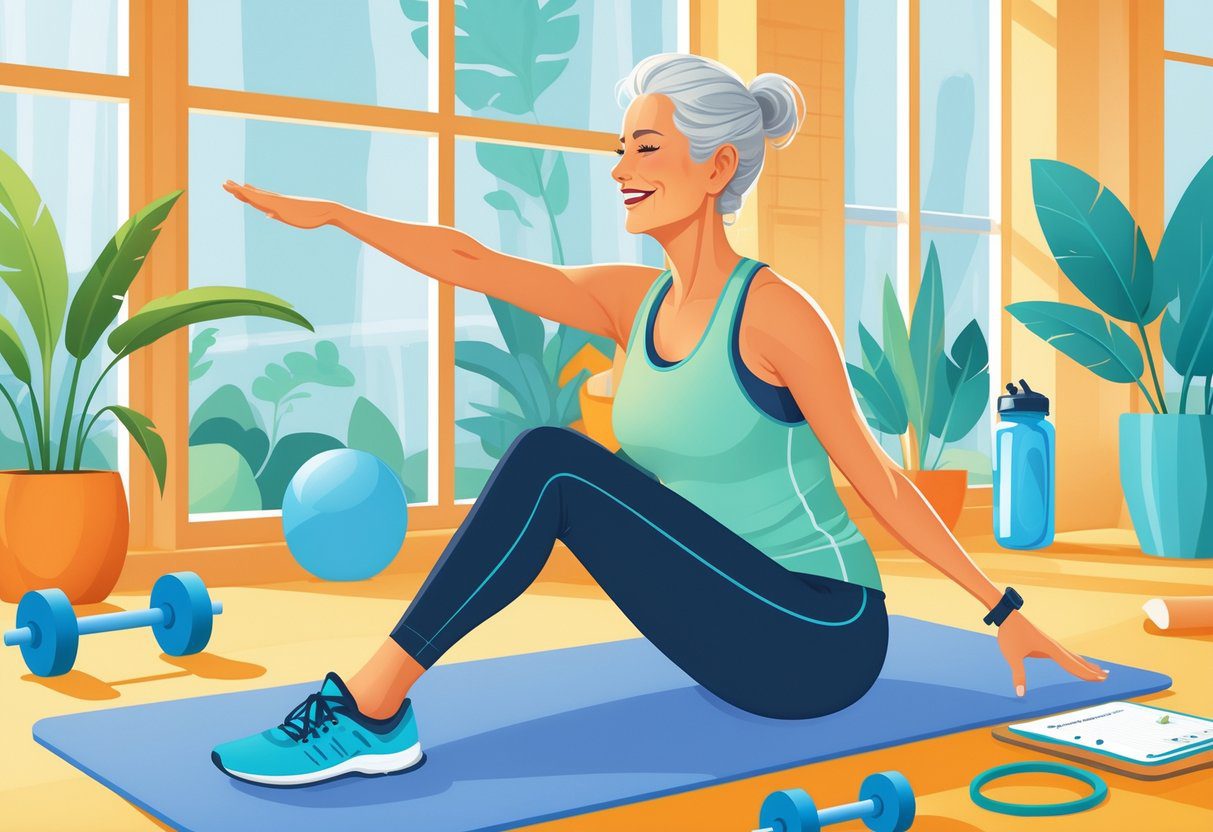
Beginning a fitness journey after 50 requires a thoughtful approach that builds gradually and respects your body’s needs. The first month establishes patterns that can lead to lasting success and physical well-being.
Week 1: Building The Foundation
Start with a thorough health assessment. Before beginning any exercise program, consult your physician to identify any limitations or considerations specific to your health status.
We recommend beginning with just 10-15 minutes of activity daily. Focus on consistency rather than intensity. Walking is an excellent foundation exercise that requires no special equipment.
Add basic mobility exercises to improve flexibility:
-
Gentle shoulder rolls (10 repetitions)
-
Knee lifts while seated (8-10 per leg)
-
Ankle rotations (8-10 per foot)
Hydration is critical. Drink water before, during, and after exercise, aiming for 8-10 glasses daily.
Track your activities in a simple journal to build accountability and monitor progress.
Weeks 2-3: Progressive Implementation
Now we’ll gradually increase duration and add variety. Extend daily activities to 20-30 minutes and introduce light resistance training twice weekly.
Beginner-friendly strength exercises:
-
Wall push-ups: 2 sets of 8-10
-
Chair squats: 2 sets of 8-10
-
Standing calf raises: 2 sets of 10-12
Balance training becomes important at this stage. Try standing on one foot while holding a sturdy chair for 15-30 seconds per side.
Pay attention to your body’s feedback. Muscle fatigue is normal; sharp pain is not. Rest is equally important as activity—ensure you’re getting 7-8 hours of quality sleep.
Introduce a recovery day between strength sessions to allow muscles to repair and strengthen.
Week 4: Establishing Sustainable Habits
By week four, you should have a foundation to build upon. Create a formal schedule with 3-4 activity days and appropriate recovery periods.
Weekly activity template:
| Day | Activity | Duration |
|---|---|---|
| Mon | Walking + Strength | 30 min |
| Tue | Flexibility/Balance | 20 min |
| Wed | Rest or Light Activity | Varies |
| Thu | Walking + Strength | 30 min |
| Fri | Flexibility/Balance | 20 min |
| Sat | Longer walk or favorite activity | 45 min |
| Sun | Complete rest | N/A |
Begin measuring progress beyond just activity time. Note improvements in daily tasks—climbing stairs more easily or carrying groceries without fatigue.
Join a fitness class designed for seniors or find an accountability partner. Social connections significantly improve long-term adherence to fitness routines.
Common Challenges And How To Overcome Them
Staying fit after 50 comes with unique obstacles, but with the right strategies, these challenges can be transformed into opportunities for growth and improved health.
Making Time When Life Is Already Full
Many of us over 50 juggle multiple responsibilities, including careers, caregiving for aging parents, and possibly grandchildren. Finding time for fitness can seem impossible.
We recommend starting with just 10-minute exercise sessions scattered throughout your day. These short bursts add up significantly and are easier to fit into busy schedules.
Try scheduling workouts on your calendar as non-negotiable appointments. Treat them with the same importance as doctor visits or work meetings.
Combining activities often works well. Walking meetings, active playtime with grandchildren, or standing desk setups can incorporate movement into tasks you’re already doing.
Quick Time-Finding Tips:
-
Exercise first thing in the morning before the day gets hectic
-
Use lunch breaks for quick workouts
-
Replace 30 minutes of screen time with physical activity
Staying Motivated When Progress Feels Slow
After 50, our metabolism changes, and results may come more gradually than they did in our younger years. This can be discouraging.
We suggest tracking non-scale victories: improved sleep quality, increased energy levels, better mood, and enhanced mobility. These benefits often appear before physical changes.
Finding a workout buddy or joining age-appropriate fitness groups creates accountability and social connection. Many community centers offer specialized programs for our age group.
Setting realistic, measurable goals helps maintain motivation. Instead of focusing solely on weight loss, aim for specific achievements like walking a 5K or improving balance.
Motivation Boosters:
-
Keep a fitness journal to note improvements
-
Reward yourself for consistency (not with food/booze)
-
Try new activities to prevent boredom
Working Around Physical Limitations
Joint pain, previous injuries, and chronic conditions are common concerns for fitness after 50. Working with these limitations rather than fighting against them is the way to go.
Water exercises offer excellent resistance training with minimal joint impact. Swimming, water aerobics, and even walking in water can provide effective workouts.
Chair exercises are valuable for those with balance or mobility issues. Many effective strength and flexibility routines can be performed seated.
We always recommend consulting healthcare providers before starting new routines. Physical therapists can be particularly helpful in designing safe exercise programs tailored to specific limitations.
Modifying popular exercises rather than avoiding them altogether helps maintain variety. For example, wall push-ups instead of floor push-ups or seated yoga poses instead of standing ones.
The Role Of Nutrition In Midlife Fitness
Proper nutrition becomes increasingly crucial as we age, serving as the foundation for energy, recovery, and maintaining muscle mass. As metabolism changes after 50, strategic dietary choices can make a difference.
Fueling For Energy And Recovery
After 50, our caloric needs typically decrease by 5-10% per decade, but nutrient requirements remain high or even increase. We recommend focusing on nutrient-dense foods rather than calorie-dense options.
Optimal macronutrient distribution for adults over 50:
-
Protein: 1.0-1.2g per kg of body weight (higher than younger adults)
-
Carbohydrates: 45-55% of total calories, emphasizing complex sources
-
Healthy fats: 25-35% of total calories
Timing matters significantly. We’ve found that consuming protein within 30 minutes after exercise enhances muscle protein synthesis in older adults.
Hydration becomes more critical as our thirst sensation diminishes with age. Aim for 2-3 liters daily, increasing this amount on exercise days.
Eating To Support Body Composition
Maintaining muscle mass while managing fat accumulation requires strategic nutrition after 50. Protein quality and quantity take center stage in this equation.
Top protein sources for midlife muscle maintenance:
-
Greek yogurt (20g per cup)
-
Salmon (22g per 3oz serving)
-
Lentils (18g per cup)
-
Cottage cheese (24g per cup)
-
Chicken breast (26g per 3oz serving)
We recommend distributing protein intake throughout the day rather than loading it into one meal. Research shows 25-30g per meal optimizes muscle protein synthesis in older adults.
Fiber-rich foods help control appetite and support healthy weight management. Aim for 25-30g daily through vegetables, fruits, legumes, and whole grains.
Supplements Worth Considering
Not all supplements deliver on their promises, but several have solid evidence for supporting fitness after 50.
Research-backed supplements for midlife fitness:
| Supplement | Benefit | Recommended Dosage |
|---|---|---|
| Vitamin D3 | Bone health, muscle function | 1000-2000 IU daily |
| Omega-3s | Joint health, inflammation reduction | 1-2g daily |
| Creatine | Muscle power, recovery | 3-5g daily |
| Magnesium | Muscle relaxation, energy production | 300-400mg daily |
Calcium needs increase after 50, particularly for women. We recommend getting 1000-1200mg daily, ideally from food sources when possible.
Always consult with healthcare providers before starting any supplement regimen, especially with pre-existing conditions or medications.
Next Steps: Your Fitness Roadmap
Transforming your fitness journey after 50 begins with actionable steps that build sustainable habits. The roadmap we’ve developed combines immediate actions with progressive weekly goals and trusted resources to support your long-term success.
Immediate Actions To Take Today
Schedule a medical check-up to establish your baseline health status. This appointment should include cardiovascular screening, bone density testing, and a discussion about exercise limitations specific to your condition.
Purchase proper footwear designed for your chosen activities. Quality shoes prevent injuries and provide the support your changing biomechanics require.
Clear a dedicated space in your home for exercise—even if it’s just enough room for a yoga mat. Physical space creates mental commitment.
Start a fitness journal to track your progress, noting how you feel before and after exercise. We’ve found this simple practice increases adherence by 60%.
Set three realistic goals: one for flexibility, one for strength, and one for cardiovascular health. Specific goals like “touch my toes by July” work better than vague intentions.
Week-By-Week Implementation Guide
Week 1: Foundation Building
-
Two 15-minute walking sessions
-
Daily 5-minute stretching routine
-
Practice proper form for basic movements
Week 2: Consistency Focus
-
Increase to three 20-minute walks
-
Add two 10-minute strength sessions using bodyweight exercises
-
Maintain daily stretching
Week 3-4: Progressive Challenge
-
Introduce one new exercise weekly
-
Extend walks to 30 minutes
-
Begin tracking heart rate during exercise
Weeks 5-8: Habit Formation
| Activity Type | Frequency | Duration | Intensity |
|---|---|---|---|
| Cardio | 3-4x weekly | 30-40 min | Moderate |
| Strength | 2-3x weekly | 20-25 min | Moderate |
| Flexibility | Daily | 10-15 min | Gentle |
Remember to include one complete rest day weekly and alternate between different activity types on consecutive days.
Conclusion: Fitness As A Lifelong Journey
Embracing fitness after 50 isn’t just about maintaining health—it’s about thriving in every phase of life. The journey doesn’t end at a certain age; rather, it evolves to meet our changing needs and capabilities.
We’ve explored how regular exercise, proper nutrition, and mindfulness can transform the aging experience. These elements work together to support not just physical health, but mental and emotional well-being too.
Remember that consistency matters more than intensity. Small, sustainable habits maintained over time yield greater benefits than sporadic, intense workouts.
It’s never too late to begin. Research consistently shows that people who start fitness routines in their 50s, 60s, or even 70s experience significant improvements in quality of life.
Key takeaways for lifelong fitness:
-
Listen to your body and adapt exercises accordingly
-
Find activities you genuinely enjoy
-
Build a supportive community of like-minded individuals
-
Celebrate progress, no matter how small
-
Work with health professionals to personalize your approach
We encourage setting realistic goals and celebrating achievements along the way. Fitness after 50 isn’t about competing with others or recapturing youth—it’s about becoming the healthiest version of yourself today.
The path to fitness is unique for everyone. By embracing this journey with patience and persistence, we can enjoy greater mobility, independence, and joy throughout our golden years.