Health and Fitness Matters for the Over 40s, 50s and 60s

On the one hand, moving into and past our 40s we feel more liberated, kids have grown up, we’re probably peaking in our earnings potential, maybe our pensions and investments are looking good. But slowly, almost imperceivably, other things may be going awry.
Bone density falls. Stress levels tend to increase due to lifestyle matters involving kids, death, money, parents etc.
Although it’s a word that’s used freely these days depression is actually a complex variety of conditions. It can depend on physiological or psychological changes that can be temporary due to circumstance or be more permanent.
However, certain types of depression tend to be more common in mid-life years due in part to hormone changes specifically testosterone which affects the bodily systems, in particular, the sex drive.
Metabolism slows! Typically as much as 30% by the time you’re 50. That means the efficiency of turning our food into energy for everyday living and keeping our weight under control becomes difficult.
Muscle loss started sometime in our 30s and can be as much as 8% every decade. After 60 it’s even worse.
We are conditioned to almost ignore the obvious deterioration and only take action when the signs of something sinister become apparent. We take notice of slapping on the sun-cream because of constant reminders over the years that it’s unsafe not to.
Many however, seem to ignore the advice on regular exercise.
Would we all be wearing seat belts today if it hadn’t been made illegal not to and again repeatedly ingrained upon us the dangers of not belting up?
As humans, we are hard-wired to be optimistic about our own outcomes especially when it comes to medical matters. It’s the “won’t happen to me” attitude that is dominant over the actuarial reality.
And as we know, everyone over 40 will no doubt know someone who has had cancer or major heart disease, to take responsibility for our own health and make sure we can enjoy midlife and beyond.
Why would anyone by a lottery ticket with the chances of winning so remote? We hear through the media about the very few people that win fortunes but just imagine if there was a news story about all the people that didn’t win – wouldn’t be very exciting news.
For many of us, by the time we’ve reached our 45th birthday life is good, everything under control and comfortable. Family, finance, future all sorted – well things can always be better but by and large life is good.
There’s probably a few extra pounds around the middle, energy levels a bit lower perhaps, skin and hair not as shiny and smooth, almost certainly less or no hair for the guys. But everything is great!
But is it?
Now is the perfect time to revitalize the body and mind, bringing back the pizazz and that can be achieved by making minor life changes in our attitude to nourishment and physical activity.
Nutrition
I want to feel more active and less lumpy – what to do.
There are so many fad diets out there that some celebrity or another swears by.
Many hold the Paleo diet up as the holy gospel of all that is healthy and effective. And more still will follow the older style Weight Watchers, then there is Atkins, South Beach, Zone, Dukan,
Grapefruit, Cabbage Soup and the list increases every week.
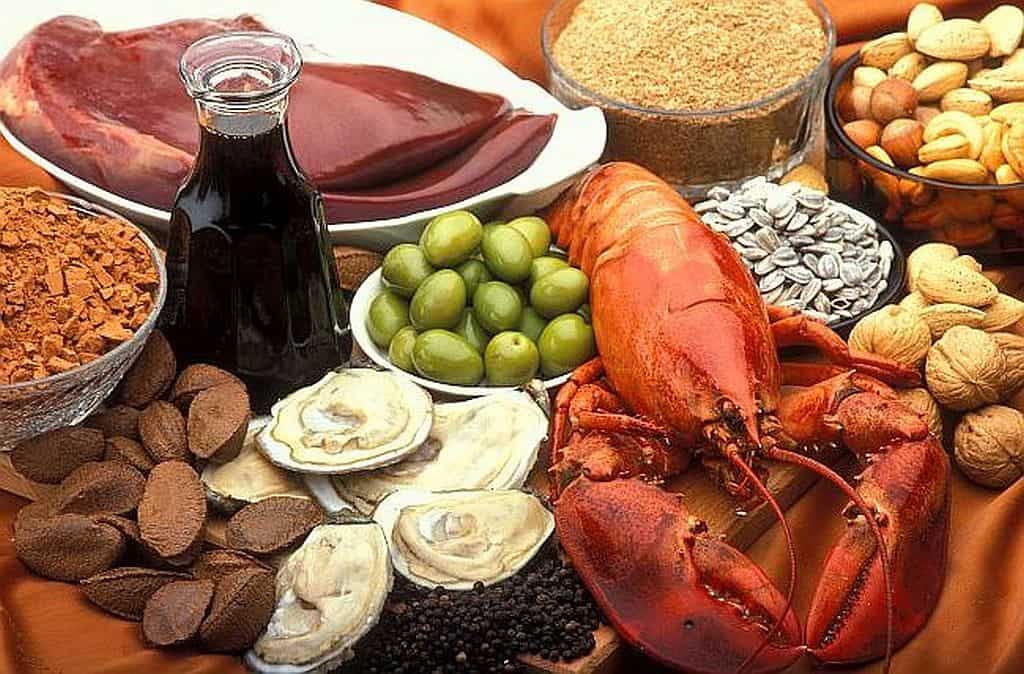
Which one do you choose?
And the answer is none of them.
As effective as any one of them may or may not be, they are not tailored to you, an individual – marvelous, midlife explorer.
A study was made in September 2014 by the American Medical Association and published in their Journal and after looking at 48 other clinical studies that involved a total of 7,286 people either obese or overweight, they discovered something amazing.
After 6 months, all the fad diets whether low carb or low fat had very close results. On average the loss was 17.6 pounds per person and after 12 months both groups shaved an average of 16 pounds for each person.
Importantly they came up with the following conclusion…
“Significant weight loss was observed with any low-carbohydrate or low-fat diet. Weight loss differences between individual named diets were small. This supports the practice of recommending any diet that a patient will adhere to in order to lose weight.“
This is good news as we’re not fans of the 4 letter word and like to use it only in the context of the food we eat.
You can now focus on the sort of dieting regime that will suit you so that nourishment intake will become a healthy habit of a lifetime.
No longer will you feel guilty about digressing from the “diet plan” or give up after a couple of months as it just doesn’t suit your way of living.
The Food Plan
If you have tried rigid diet fads in the past you often have high expectations and start out with all the intentions and conviction that “this time I’ll stick to it”.
But without that pressure and knowing this is your own lifelong habitual plan (which can be tweaked as you go) you are much much more likely to get where you want to be.
So if you have tried diets in the past the first thing to do is to evaluate them. Ask yourself what was good and bad about them. What you liked and why they didn’t work. See what you can conclude from this.
Even better it would be a good excuse to get together with your partner or friends and get a consensus on what does and doesn’t work.
So if you didn’t like a particular fad because you weren’t able to stomach all that heavy meat then your own regime may include more eggs and fish to get the valuable protein.
-
Your goal is simply to reduce the amount of high fatty foods to be replaced with more lean protein and fresh vegetables, especially leafy ones.
-
Curb your carbs. You might be eating more than you realize. They provide a quick store of energy and can be burned off efficiently only if you do the requisite exercise.
-
So watch and if necessary measure and reduce your portions especially of carbohydrates like pasta, bread, rice etc. And always choose the fiber rich brown / wholemeal variety for a healthy digestive system.
-
Now for the good stuff although you know what they say – too much of a good thing and all that.
-
Being more aware of your intake will mean that you won’t have to go without your favorite guilty pleasure. So there is no harm in chocolate or cake – or chocolate cake mmmm.
-
But if it is a serious craving then reel it in. Again measure your portions and have half – really use it as a treat when you are warming yourself by the fire feeling good about that 4 mile run you did earlier.
-
Fancy a glass of wine well so do we – there is always conflicting evidence about anything and everything but it’s commonly understood that wine (and chocolate) in moderation is good for the heart.
They both are responsible for the encouragement of serotonin production, the feel-good hormone, which also has positive knock-on effects.
So that’s the idea – take no notice of the debate over which fad diet is best and whether it’s a low carb or low-fat one – do your own analysis on what works and what doesn’t and begin using a plan that works for YOU.
It can seem a bit obsessive but keeping a diary especially at the beginning of this evolving change would be very helpful. Just keep a record of anything that you feel is important and that can be referred back to for data gathering. That’s not condoning weighing yourself every day as that can be a diversion (maybe once a week) but making notes of quantities is a good idea.
In the research study mentioned above, it was also found that both exercise and behavioral support had a big influence on the successful weight loss of the participants.
We all understand how exercise and general activity is important for weight control but it is beneficial in so many other ways too.
When getting together with your friends to discuss what works and what hasn’t worked for controlling those pounds that silently encroach, you can become your own behavioral support group and promote each other’s success and help each other’s tweaking.
And stay connected with us for support, motivation and life-enhancing changes.
Physical Activity – The Persuasion
I thought we should start with a positive note first and then quickly dive into the downside but then it gets upbeat again. 😀
Approaching 50 we forget that as the years have gone by we spend more time sitting and less time moving and our muscles have lost their vitality.
As the last decade has swept past, the demands of work, family and raising children have piled up, and little more activity has occurred than going from the house to the car.
If you’re feeling tired and have put on a few extra pounds it’s not “just the aging process” as you may believe or have been told but it could well come down to decreased muscle quality. Yes, that’s quality and not necessarily muscle quantity.
Advances in science have been showing us that it’s not just the “guns” that count but what’s inside the muscles that matter.
Muscles should be active, without harmful fats and full of mitochondria, the energy furnaces within our cells that not only supply our energy but also have an influence on our weight and whether we suffer heart disease or get diabetes. Even the chances of beating cancer are affected by the quality and health of the muscles.
So you’re feeling a bit tired, maybe some extra pounds but otherwise you feel okay.
Losing muscle that has the battery powered, metabolism boosting characteristic is an invidious, below the belt problem that starts in our 30s.
And so as the years go by and these ‘fuel cells’ in our cells, mitochondria, slowly lessen in number and quality and the fat begins to creep in, marbling your muscle until it looks like rib eye rather than good quality lean sirloin.
Slowly your health and energy levels take a downward spiral until suddenly you try on your favorite pair of jeans and they no longer fit. You’re out of breath after a short run for the bus and you’ve just been prescribed pills to control your high blood pressure – what’s going on?
For any activity when there is a demand for energy, the mitochondria are called upon to release adenosine triphosphate from sugars and fats and when there isn’t a demand, your body says these efficient furnaces aren’t required any more and are removed or become less efficient so leaving your furnaces a smoldering wreck.
What’s worse is that the encroaching fats in your muscle tissue can be toxic and cause the fibers to become less resistant to insulin, therefore fuelling weight gain, making it harder to lose it as well as increasing the risk of diabetes.
Oh, enough of all that – let’s have some good news. Well not quite yet but hang in there.
Research has also shown that muscle riddled with fat, causes weakness and mobility problems – have you noticed losing your balance more? No – then you may.
When you feel weak and tired the last thing you want to do is go out for a brisk walk so getting too comfortable on the sofa will create a circle of attrition as you see exercise more and more as something for the young.
Physical Activity – The Good News
Somehow and science hasn’t got the ‘how’ yet but just a little aerobic exercise on a regular basis actually creates new and efficient mitochondria (the basis of metabolism) in just a few days of reasonable aerobic exercise.
A demand is put on the muscles and genes are switched on with the help of tissue enzymes creating new fuel cells.
The more you do the more are made and muscles become more efficient at burning fat to give us more energy, breaking the downward cycle – research has shown even after 3 to 7 days of brisk walking for 45 minutes results in the positive growth of mitochondria.
So, it’s not all bad news and it’s never too late to begin fuelling our bodies correctly and taking a little time out to exercise at home or embrace the great outdoors.
I hope this has been of some help in motivating you. Let me know where you are in your eating or fitness regime.